Speaking of an extended product life cycle through joyful design in my last blogposts, we come to another important aspect that can enhance a products life: designing for prolonged pleasure.
The research paper “Enjoying Joy: A Process-Based Approach to Design for Prolonged Pleasure” by Anna E. Pohlmeyer deals on how to sustain and optimize positive emotions derived from a positive experience.
It is a fact that initial emotions fade over time because people eventually adapt to changes. This phenomenon of reduced affective intensity is called hedonic adaptation. Hedonic adaption can lead people to constantly desire something new without reaching lasting satisfaction—which is a huge problem of our “throw-away-society”.
Design for savoring According to Pohlmeyer there is an approach of designing joyful experiences called “design for savoring”. Design for savoring is not only about providingpleasurable experiences, but it is also about optimizingthese by appreciating the enjoyment. As a result, positive emotions of a given positive event can be increased in intensity and duration. Pohlmeyer also stated that savoring positive experiences can be understood as the counterpart of coping with negative experiences. However, design for savoring is less a matter of how experiences are designed, but rather of how a person deals with the resulting emotional experience. Savoring up-regulates positive emotions in order to extract an optimum level of positive emotions from an event and has been shown to counteract hedonic adaptation—the tendency of us mere humans to quickly return to a relatively stable level of happiness—and contribute to people’s well-being. Therefore, design for savoring, especially is a promising concept to consider in UX. [1]
Intensifying and Prolonging Positive Emotional Experiences through Design Speaking of design for savoring, the question on what can be done to intensify positive emotional experiences raises. According to Nélies [2] there are four broad categories of savoring strategies:
a) behavioral display of positive emotions b) focusing attention on the present moment c) capitalizing, i.e. sharing with others, d) positive mental time travel, i.e. vividly anticipating or remembering positive events.
These thoughts and behaviors have been shown to favorably affect the intensity and duration of positive feelings, which means that they can serve as valuable guides in design.
“Similarly, reliving an experience and the associated emotions in memory – be it a nostalgic recollection of the good old days or realizing what a loyal companion one’s laptop has been – reinforces pleasure efficiently and effectively. In this vein, it is also noteworthy to mention that positive emotional experiences can be enhanced not only in the moment but also in prospect and retrospect, e.g. by sharing with others. Hence, by looking into the underlying processes of experiencing pleasure, opportunities arise to proactively design for longer-term and enhanced positive experiences.” —Pohlmeyer
It is obvious that how we look at and interpret our world, hence, what we devote our attention to, affects our experiences and our well-being. When designing for joyful experiences it is therefore crucial to direct attention to the positive and to consider how positive emotions can be prolonged by increasing the intensity and duration of pleasure derived from positive experiences, rather than striving for a fast-paced consumption behavior of constant novelty seeking. [3]
Sources
[1] Nélis, D., Quoidbach, J., Hansenne, M., and Mikolajczak, M. Measuring individual differences in emotion regulation: The Emotion Regulation Profile- Revised (ERP-R). Psychologica Belgica, 51 (2011), 49- 91.
[2] Pohlmeyer, Anna E.: Enjoying Joy. A Process-Based Approach to Design for Prolonged Pleasure. Helsinki. 2014
Fotografie und Illustration haben die gleichen Fähigkeiten; eine Illustration kann präzise, klar und verständlich sein und dann im nächsten Fall eine neue Sichtweise oder eine imaginäre Möglichkeit inspirieren.
Am Ende kann Illustration genauso ausdrucksstark sein wie die schnellen Interaktionen von Typografie und Bild. Es ist nur ein weiteres Mittel, um eine Nachricht zu kommunizieren.
Im jetzigen Zeitgeist wird Illustration nicht mehr nur als das gesehen, was gut zu Kinderbuch-Reimen passt und auf Lebensmittelverpackungen lecker aussieht. Heute wird Illustration als das Medium gesehen, aber der Ansatz ist Design.
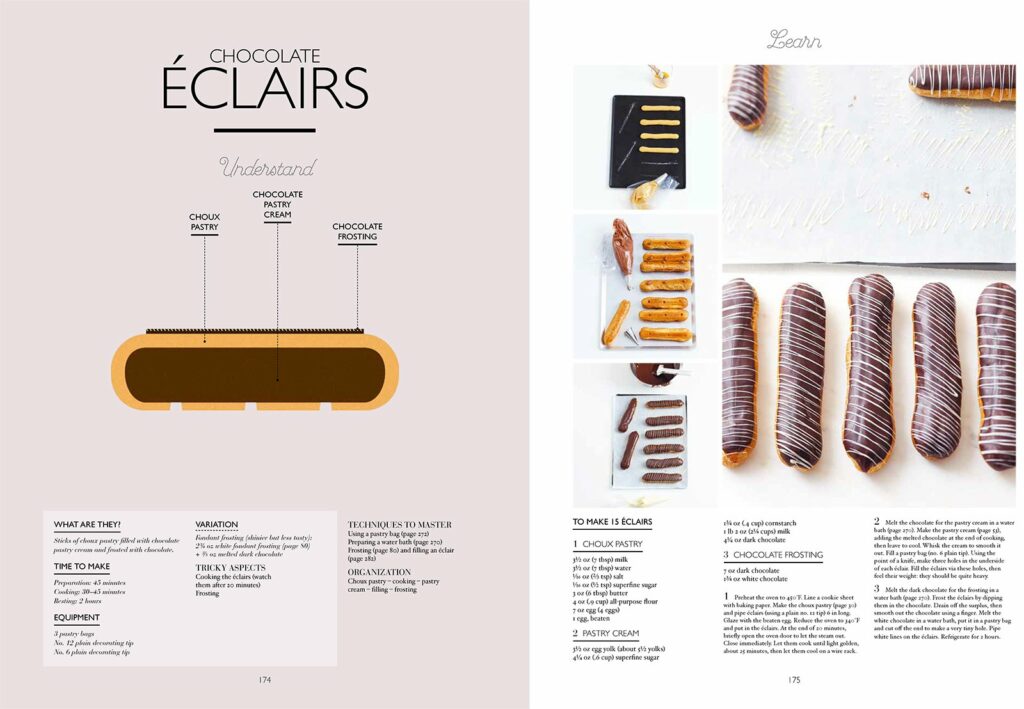
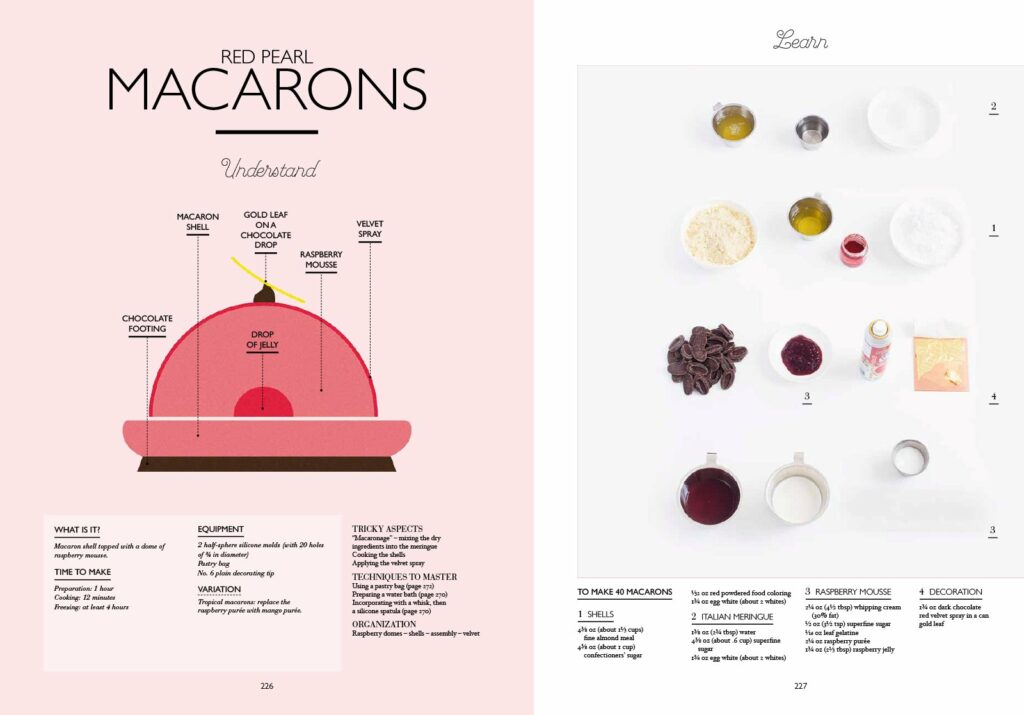
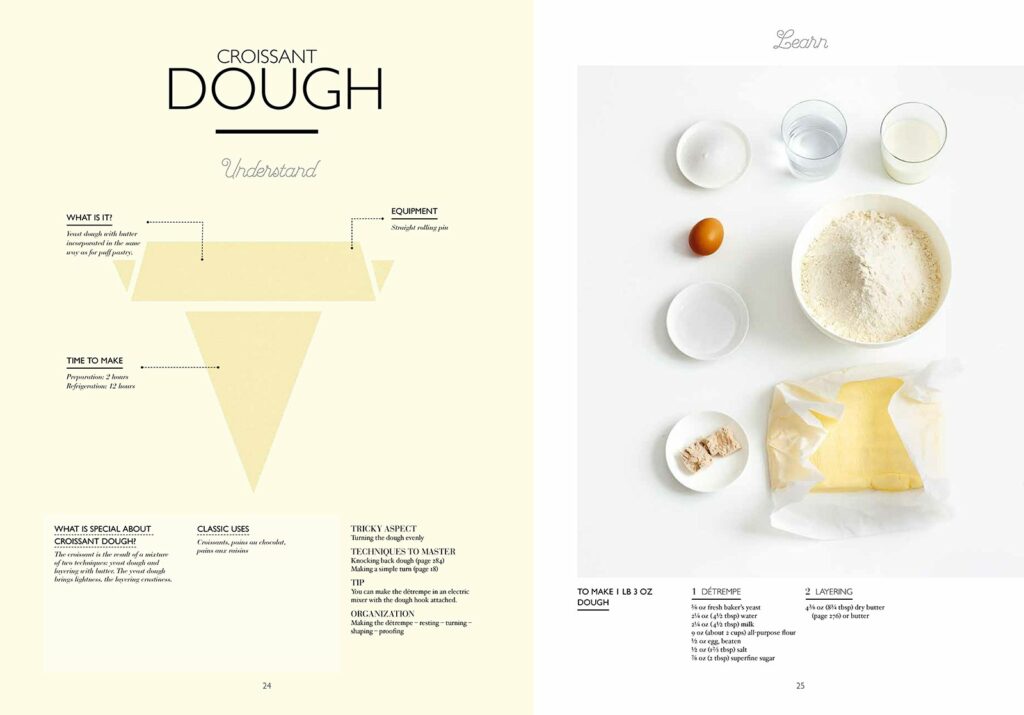
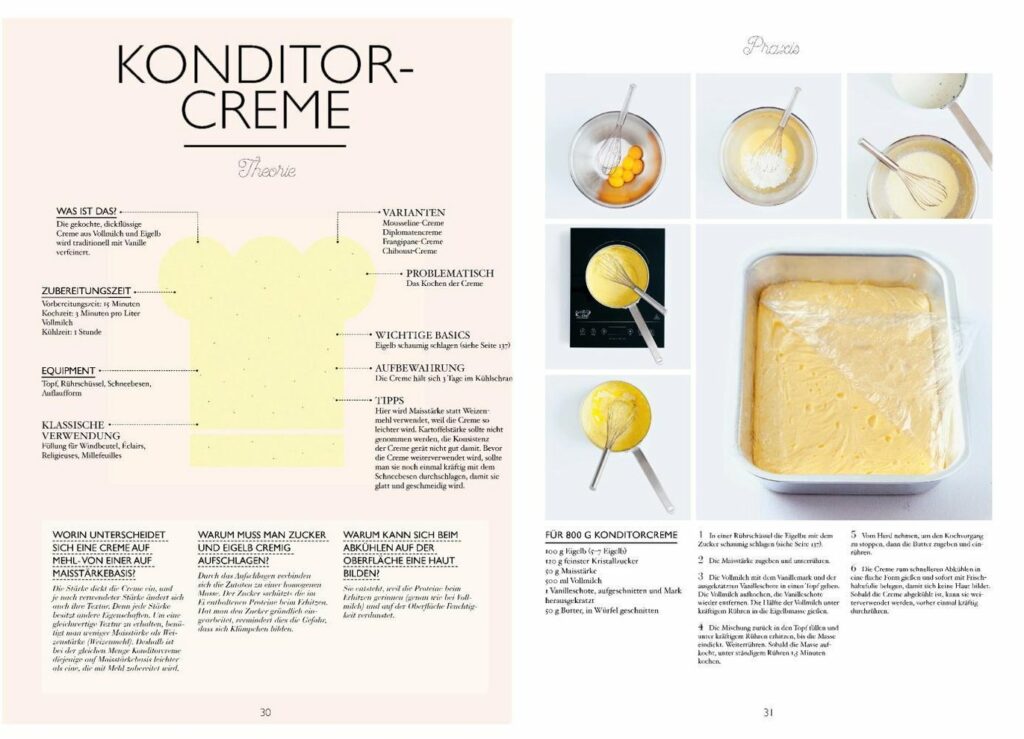
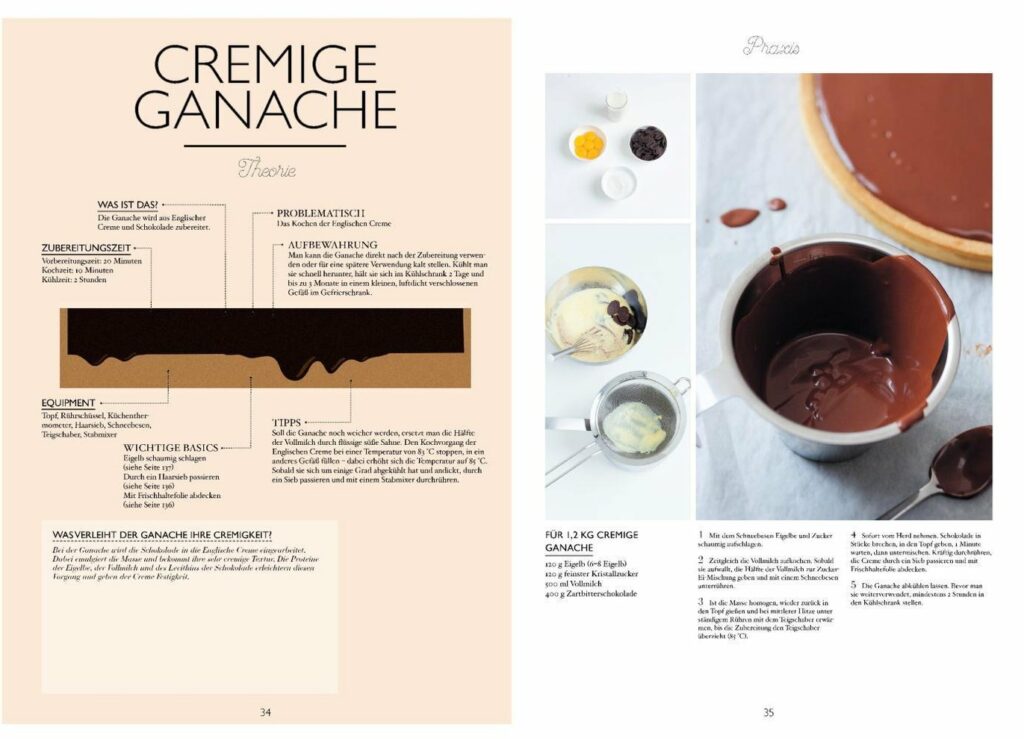
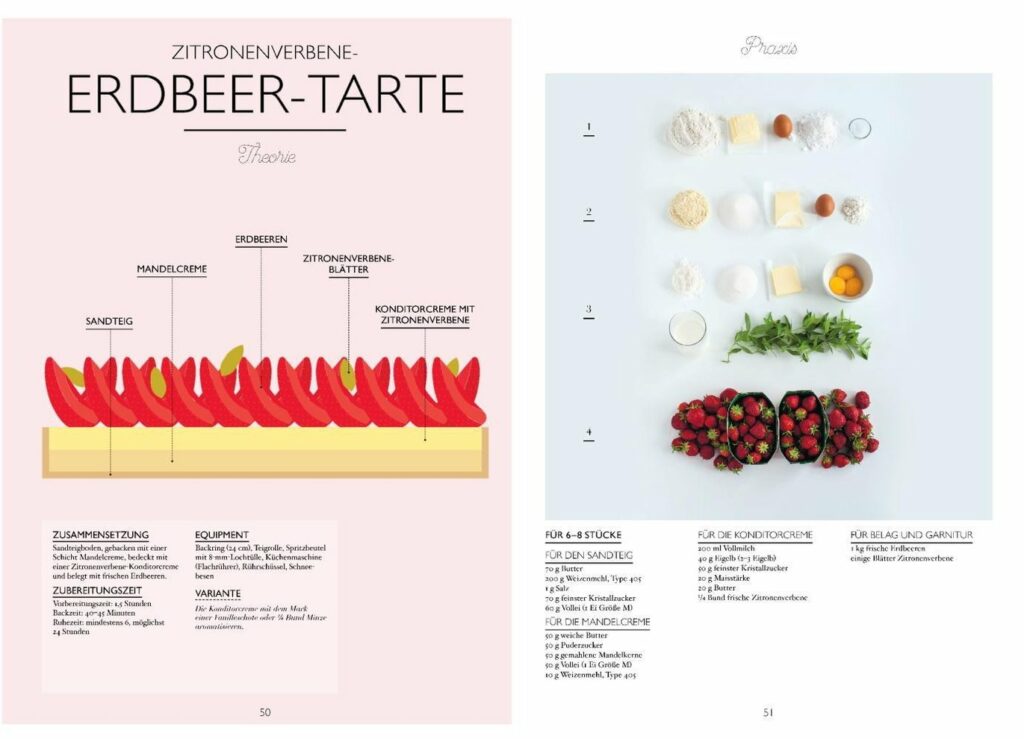
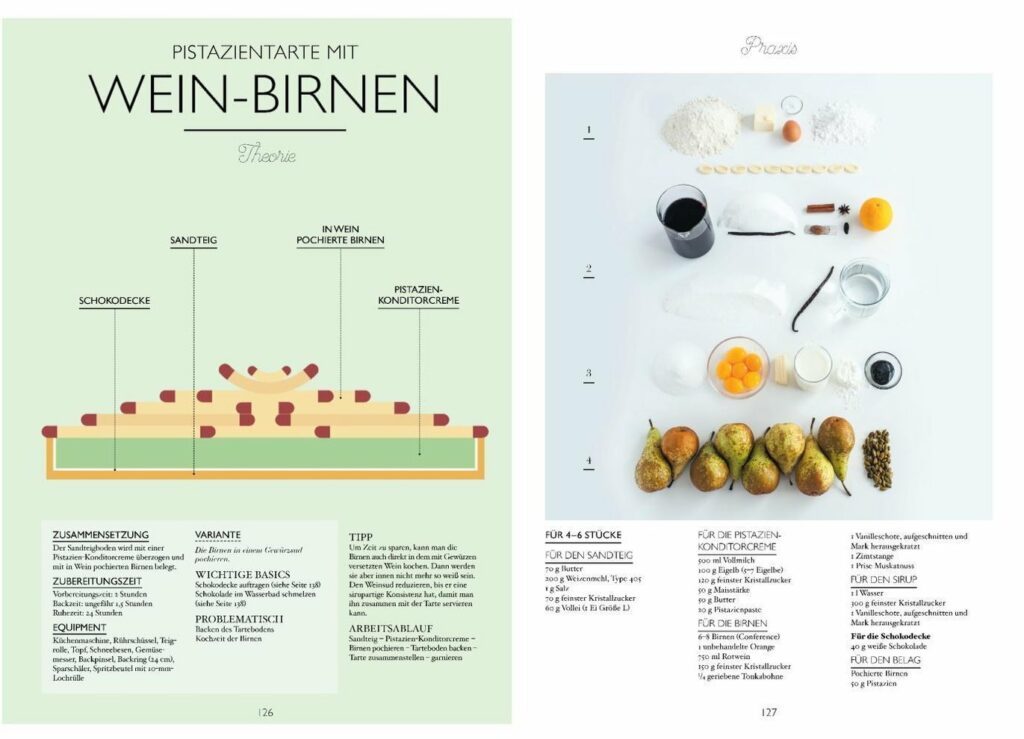
So sind z.B. Infografiken in Kochbüchern derzeit äusserst beliebt. Sie erlauben es viel schneller als ein bloßer Rezepttext alles Wesentliche zu erfassen und im Vergleich zu einem Foto kann Illustration hier sehr erfolgreich eingesetzt werden.
Informationsgrafiken sind auch eine Form der Illustration – sie sind eine visuelle Repräsentation von Gesamtzusammenhängen in einer Abbildung. Die allerbesten Infografiken schaffen es, krasse Daten, komplizierte Informationen oder eine verwirrende Zeitachse in eine einzige Grafik zu packen. Infografiken sind die perfekte Zusammenfassung dessen, worum es bei gutem Design, Illustration und auch Animation geht: eine Geschichte oder Idee visuell zu kommunizieren und sie sofort mit dem Publikum in Verbindung zu bringen. Dies geschieht auf eine Weise, die eine Menge Rohtext niemals tun könnte.
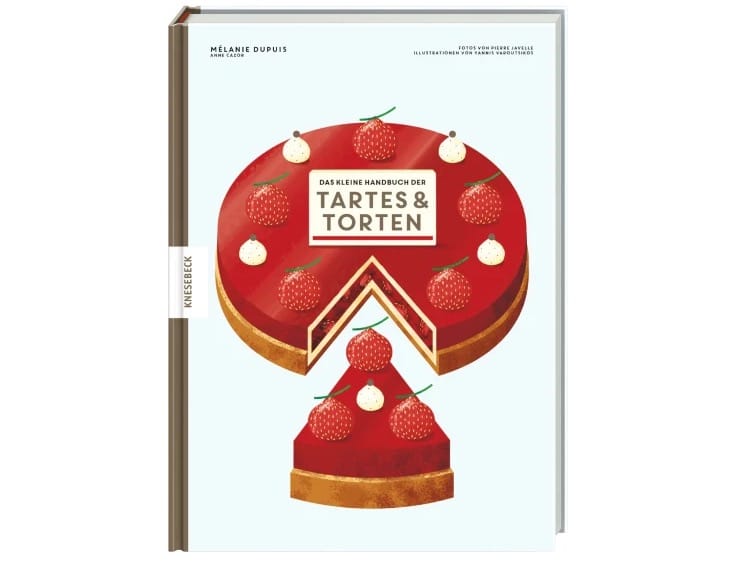
Ein Beispiel dafür ist »Das kleine Handbuch der Tartes und Torten« von Konditorin Mélanie Dupuis unterrichtet Patisserie an der Pariser Kochschule »L’atelier des Sens« (Das Atelier des Sinne).
Visuell hilft der Einsatz von illustrativen Informationsgrafiken dabei die theoretischen Teile des Kochbuches von den verschiedenen Rezepten zu trennen.
Which qualities stimulate product attachment—what brings us to like/enjoy a product more than others?
Identity Based Human Behavior
Understanding ones own identity—who one is and what one believes—is a fundamental human drive. That fact points out that consumers like products, brands and consumption behaviors that are linked to self-association. That simply means for example that someone who sees oneself as an athlete will likely behave in ways that correspond to what it means to “be” an athlete. [1] That concept also is established in all forms of marketing and communication. An example from my previous research that uses this knowledge of the importance of self-association is the Branding Wheel of 12 Archetypes. [2] Another concept that includes that aspect in regards to design is thePositive Design Framework, which consists of three layers: design for pleasure design for virtue and design for personal significance. [3] Also, the aspect of self-association is deeply linked to objects with symbolic meaning, which is one of the most important characteristics when it comes to product attachment and happiness. [4]
“If a product symbolizes aspects of a person’s happiness, he/she is more likely to keep it, because losing the product implies that the strong symbolic meaning and thus the ‘happiness trigger’ is lost.” —Csikszentmihalyi & Rochberg-Halton
At the time ones identity becomes central to self-conception, one starts to pay attention to many secondary associations to ones self-conception [5]. For example, individuals may integrate attitudinal and behavioral norms, emotion profiles [6], and a variety of other identity-linked concepts in memory [7]. All this together defines normative beliefs, attitudes, emotions and behaviors that define what one thinks, feels, and does. [8]
An interesting fact from the research paper “Identity-based consumer behavior” by Americus Reed, Stefano Puntoni, Mark Forehand and Luk Warlop is that language directly is linked to our perception of identity. Thus, depending on the language that we use, our identity/character changes. That is, because people do not have one identity*, but we indeed carry multiple layers of identity in us that can be triggered. One interesting finding was that English as a language often serves as a cue for a person’s cosmopolitan identity. That knowledge gets especially used in marketing, where products often get labeled in English language to consciously create an image of open-mindedness. [9]
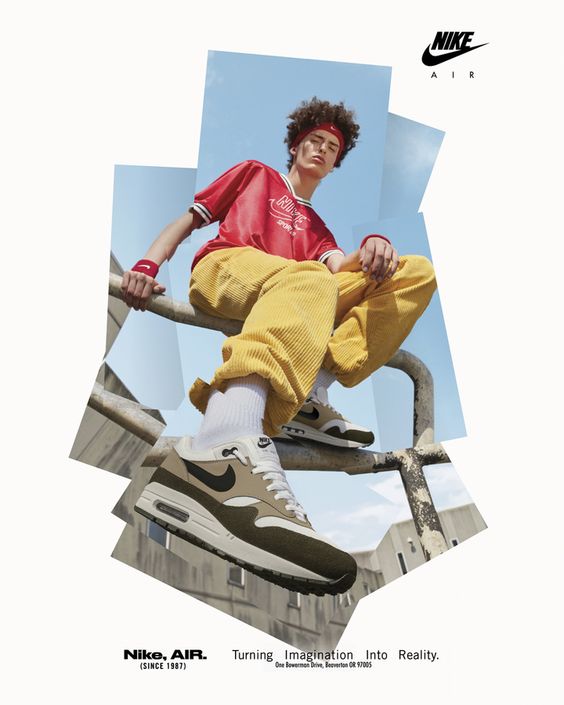
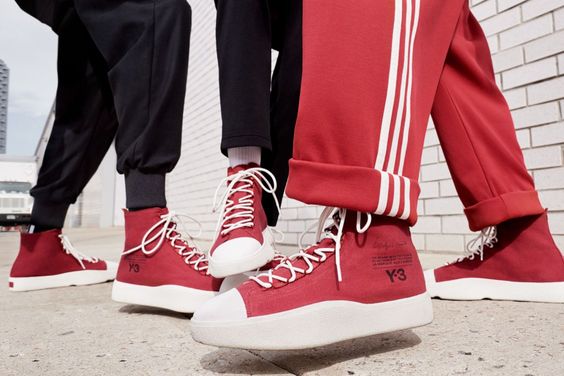
The knowledge of importance of identity and self conception enables us to design relevant products for certain groups of individuals on a rough level. But let us take a deeper look to which identity-related information allows discrimination between options. Which means that, as mentioned in the beginning, an “athlete identity” helps to discriminate between a pair of Nike shoes and a pair of Crocs. But if we want to discriminate between a pair of Nikes or Adidas shoes it gets harder. According to the research paper “Identity-Based Consumer Behavior” there are five forms of relevance that influence these criteria and decision: object relevance, symbolic relevance, goal relevance, action relevance and evaluation relevance. [10]
1 Object relevance Object relevance exists when an object is part of the symbolic constellation of products that define an identity. [11] [12] An example is a working mother that may be more favorable to an automobile that emphasizes safety and practicality. Object relevance is particularly common with brands that come to symbolize paricular user groups or “fit” with a particular identity.
2 Symbolic relevance Symbolic relevance exists when the expression of a belief or the possession of an object communicates or reinforces one’s identity in the eyes of others. [13] That is because people likely judge about others based on their knowledge of other people’s purchase decisions. Therefore, products provide a “social stock of knowledge that people use in typifying those they meet”. [14] This general concept of symbolic congruence has been used to explain consumer attraction to products, brands and retail environments. [15] [16]
3 Goal relevance Goal relevance exists when a potential belief or behavior is related to an issue or outcome that is important to the individual’s identity. These beliefs or behaviors could include the expression of an attitude, specific group-related behaviors, or simply affiliation with a product or brand.
4 action relevance Action-relevant objects and behaviors allow the consumer to perform behavioral functions associated with a particular identity. For example, a “baseball player” may require a bat, glove and cleats to perform within that identity. [17]
1 Object relevance
2 Symbolic relevance
3 Goal relevance
4 action relevance
5 evaluation relevance Evaluation relevance refers to the extent to which the evaluative content of the identity has sufficient clarity and specificity to inform the consumer’s evaluation of the object (or brand). The goal is to guide a behavioral response. An example is an “urban teenager” who evaluates shoe brands, and finds several brands that have co-opted young, urban imagery in their advertising and are thus not differentiable on this identity dimension. In this situation, the absence of a clear identity-related norm provides her with an inadequate basis for choice [18], and thus her identity therefore fails to discriminate between the available options.
By working with those five layers, relevant, identity-based design can be derived. That can not only lead to a joyful design experience but furthermore can enhance product life cycles and therefore support efforts of a more sustainable relation to products.
* The identity conflict principle Any given identity is not possessed in isolation—each identity is one of many held identities that must be integrated into a person’s overall self-conception. Research on the interplay of multiple identities generally suggests that individuals seek to maintain harmony between their various identities. [19] [20] Finally, because people may hold multiple iden- tities, while each of the identities is not always consistent with all the others in its implications, identities may conflict. This in turn will moti- vate cognitive activity and behavior that aim to resolve such conflict (the conflict principle) either by active attempts to create a harmonized personal identity or by compartmentalizing identities into separable partitions of one’s life experience.
The identity-verification principle Consumers will actively monitor the extent to which they stay true to their manifested identity. This “sought-after identity” operates similarly to an “ideal” self [21]. Higgins argued that as the perceived distance between a consumer’s actual and ideal selves increases, the consumer’s motivation to exert effort to reach the ideal also increases. People are motivated to behave consistently with their identities, which become the subject of goal striving and will drive corrective action or thought whenever the identity is at stake.
The relevance principle Once an identity is adopted, the surrounding environment and the people and objects in it are evaluated for their relevance with respect to the identity, and a person will think, feel and behave consistently with the identity whenever it is deemed relevant in that situation.
Sources
[1] Reed, Americus / Puntoni, Stefano / Forehand, Mark / Warlop, Luk: International Journal of Research in Marketing. Identity-Based Consumer Behavior: 2012, S. 310—321
[2] Medium. 12 Brand Archetypes You Can Use to Effectively Position Your Brand. URL: https://medium.com/better-marketing/12-brand-archetypes-you-can-use-to-effectively-position-your-brand-75e0bce0adc6
[3] Delft Institute of Positive Design: Positive Design Reference Guide: 2015. URL: https://issuu.com/delftinstituteofpositivedesign/docs/issuu
[4] Mugge, R., Schoormans, J. P. L., & Schifferstein, H. N. J. (2008). Product attachment: Design strategies to stimulate the emotional bonding to products. In H. N. J. Schifferstein & P. Hekkert (Eds.), Product experience (pp. 425-440). Amsterdam, the Netherland: Elsevier.
[5] Oyserman, D. (2009). Identity-based motivation: Implications for action-readiness, procedural readiness, and consumer behavior. Journal of Consumer Psychology, 19, 250–260.
[6] Verrochi-Coleman, N. M., & Williams, P. (2012). Feeling like myself: Emotion regulation and social identity. Working paper.
[7] Mercurio, K., & Forehand, M. (2011). An interpretive frame model of identity dependent learning: The moderating role of content–identity association. Journal of Consumer Research, 38, 555–577.
[8] Reed, Americus / Puntoni, Stefano / Forehand, Mark / Warlop, Luk: International Journal of Research in Marketing. Identity-Based Consumer Behavior: 2012, S. 310—321
[9] ebda.
[10] ebda.
[11] Kleine, R. E., Kleine, S. S., & Kernan, J. B. (1993). Mundane consumption and the self: A social identity perspective. Journal of Consumer Psychology, 2, 209–235.
[12] Reed, A., II (2004). Activating the self-importance of consumer selves: Exploring identity salience effects on judgments. Journal of Consumer Research, 31, 286–295.
[13] Belk, R. W. (1988). Possessions and the extended self. Journal of Consumer Research, 15, 139–168.
[14] Shavitt, S., & Nelson, M. R. (2000). The social-identity function in person perception: Communicated meanings of product preferences. In G. Maio, & J. M. Olson (Eds.), Why we evaluate: Functions of attitudes (pp. 37–57). Mahwah, NJ: Lawrence Erlbaum Associates, Inc.
[15] Malhotra, N. K. (1988). Self-concept and product choice: An integrated perspective. Journal of Economic Psychology, 9, 1–28.
[16] Sirgy, J. M., Grewal, D., & Mangleburg, T. (2000). Retail environment, self-congruity, and retail patronage: An integrative model and a research agenda. Journal of Busi- ness Research, 49, 127–138.
[17] Kleine, R. E., Kleine, S. S., & Kernan, J. B. (1993). Mundane consumption and the self: A social identity perspective. Journal of Consumer Psychology, 2, 209–235.
[18] Kallgren, C. A., Reno, R. R., & Cialdini, R. B. (2000). A focus theory of normative conduct: When norms do and do not affect behavior. Personality and Social Psychology Bulletin, 26, 1002–1012.
[19] Amiot, C. E., de la Sablonnière, R., Terry, D. J., & Smith, J. R. (2007). Integration of social identities in the self: Toward a cognitive-developmental model. Personality and Social Psychology Review, 11, 364–388.
[20] Roccas, S., & Brewer, M. (2002). Social identity complexity. Personality and Social Psychology Review, 6, 88–106.
[21] Higgins, E. T. (1986). Self-discrepancy: A theory relating self and affect. Psychological Review, 94, 319–340.
Da mir nahegelegt wurde auch sehr angewandt zu arbeiten werde ich versuchen, einige meiner Arbeiten zu zeigen, welche mittels Creative-Coding entstehen.
Vorab möchte ich noch verschiedene „Creative-Coding“-Entwicklungsumgebungen recherchieren. Va ich mit visuellen Programmiersprachen noch kaum Erfahrung habe, möchte ich dahingehend mögliche Umgebungen erkunden.
Ich werde meine Recherche laufend erweitern:
By Cycling’ 74 – https://cycling74.com/company, CC BY-SA 4.0, https://commons.wikimedia.org/w/index.php?curid=87415137
Max „Max/MSP/Jitter“
Typ: visual programming language Anwendungsgebiet: Musik, Multimedia Entwickler: Cycling ’74 OS: MS Windows, macOS
Fazit: Speziell an diesem Punkt finde ich Max zu Musik und Multimedia lastig.
Typ: Application Framework, C++ library Anwendungsgebiet: Grafik, Audio, Video, Algorithmische Geometrie Entwickler: Open Source, entwicklet durch Github (lead architect Andrew Bell) OS: Cross-platform
Fazit: Wie Cinder eine C++ Library jedoch nicht Open Source. openFrameworks ist stärker von open Source Librarys abhängig und erlaubt Entwicklern so mehr Kontrolle und Transparenz. So gibt es auch mehr Updates und Bug-Fixes.
Die Selbstbeschreibung auf der Website spricht mich sehr an:
„OPENRNDR’s APIs are designed to embrace Java’s advanced functionality while still being easy to use. Bottom-line is, we feel that Processing is less suitable for a production context.”
Viele von euch kennen es bestimmt, ein neuer Aufrag, ein neues Layout ist gefragt. DIN-Formate, naja, sind oft zu fade. Also, ran ans Paper-Prototypen und Formate ausprobieren. Welches Format kann am sinnvollsten vom Konzept abgeleitet werden? Ruck, Zuck ist der erste Prototyp angefertigt. Der Zweite, Dritte…
Nun brauchen wir einen sinnvollen Satzspiegel – gute/SPANNENDE Randproportionen sind das Wichtigste: Tschichold, Fibonacci, Goldener Schnitt, Neunerteilung, … oder doch frei?
Jetzt beginnt die Rechnerei, denn der Teufel steckt im Detail. Möglicherweise bin ich hierbei eine Ausnahme, aber es muss einfach stimmen. So, ab damit ins Indesign, um mir die Vorschau anzusehen. Sehr gut, gefällt mir erst mal nicht, da muss ich nochmal ran. So lässt sich ein Nachmittag schnell mit Rechnerei und tüfteln verbringen. Die Berechnungen sind bekanntlich keine „Rocket-Science“, aber kosten mich Motivation und sind unnötiger Zeitaufwand. Besser wäre es also die Zeit direkt in die Prototypen zu stecken.
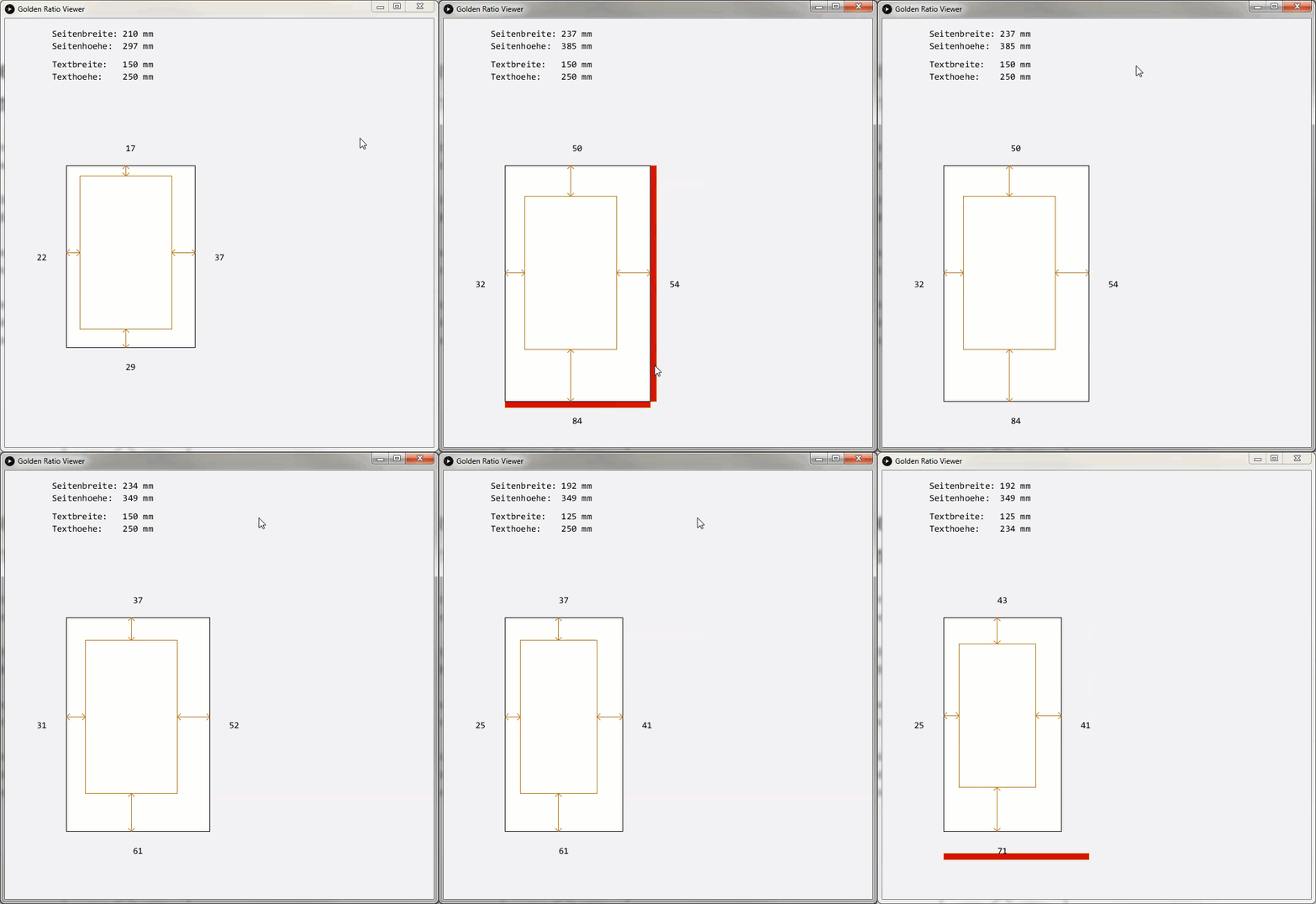
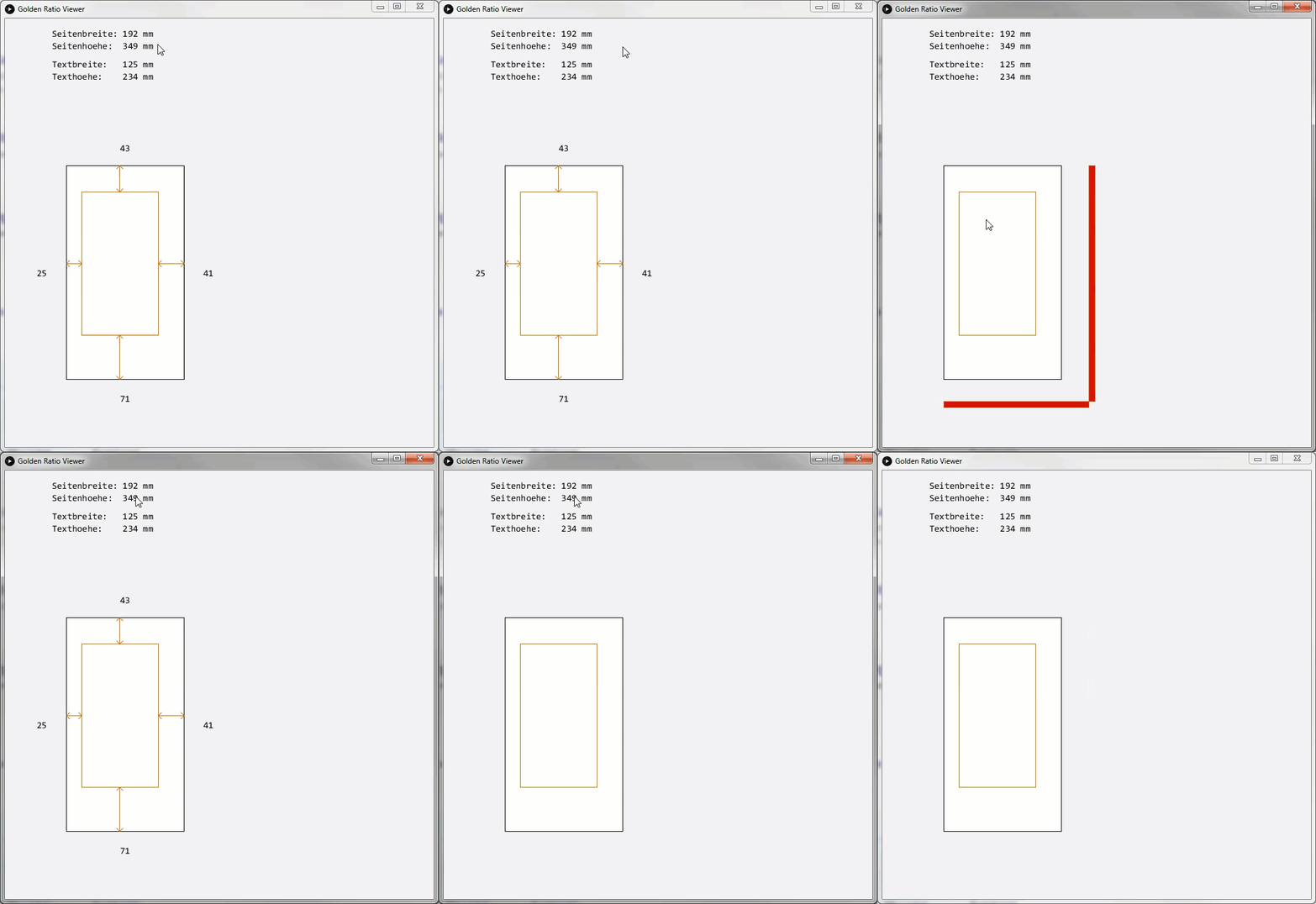
Daher habe ich beschlossen einen Golden Ratio Viewer zu programmieren.
Layout Tool: Golden Ratio Viewer. (c) Jan Adams Layout Tool: Golden Ratio Viewer. (c) Jan Adams
Ich habe mich mehr oder weniger bewusst für die vermutlich ungeeignetste IDE entschieden: Processing. NULL vorgefertigte GUI-Elemente, Eventhandler etc. – perfekt. Weil ich mir ohnehin das Mouse-Handling mit selbst gebauten UI-Elementen ansehen wollte hab ich mich dennoch an die Arbeit damit gemacht.
Da, wie oben erwähnt keine GUI-Elemente existieren und ich lieber gleich auf Libraries verzichten wollte, habe ich die Steuerung quick and dirty, bzw quick and old-school per Keyboard abgewickelt. Da mich aber auch das Mouse-Handling interssiert, habe ich auch dieses ausprogrammiert.
Am Ende hat mich das Tool doch mehr Zeit als geplant gekostet, aber immerhin DIY lol
As mentioned in my last blog post, symbolic meaning acts as one of the most important attributes of product attachment and can be considered as an important factor for positive design. For a better understanding I wanted to do further research on the term of symbolic meaning, outlined in the following text.
Symbolic meaning refers to the image and the associations that spring to mind in regard to a specific object/product. Objects can then act as symbols, providing personal meaning as well as communicating (the owner’s) personal characteristics to others. Those meaning that we attach to objects directly influence how we feel about objects and how we assess them. Researches developed various terms to describe this phenomenon of symbolic meaning, including meaning [1], personal meaning [2], symbolic meaning [3], product meaning [4], linking value [5] and symbolic qualities associated with products. [6]
Symbolic Meaning and User Experience
However, symbolic meaning has many dimensions and another concept strongly related with symbolic meaning is the user experience—user experience refers to the user’s perceptions and responses in regard to their interaction with a system or product (ISO 9241-110, 2010). That comes, because symbolic meanings and associations—dependent on personal interpretation—with a product seem to be an integral part of how users experience a product. Therefore the practice of user experience design has evolved to take into account more experiential aspects of user-product interaction, such as emotions, feelings and meanings. Nowadays many researchers agree that symbolic meaning acts as an important dimension of user experience.[7] Desmet and Heckert identify three levels of product experience [8]:
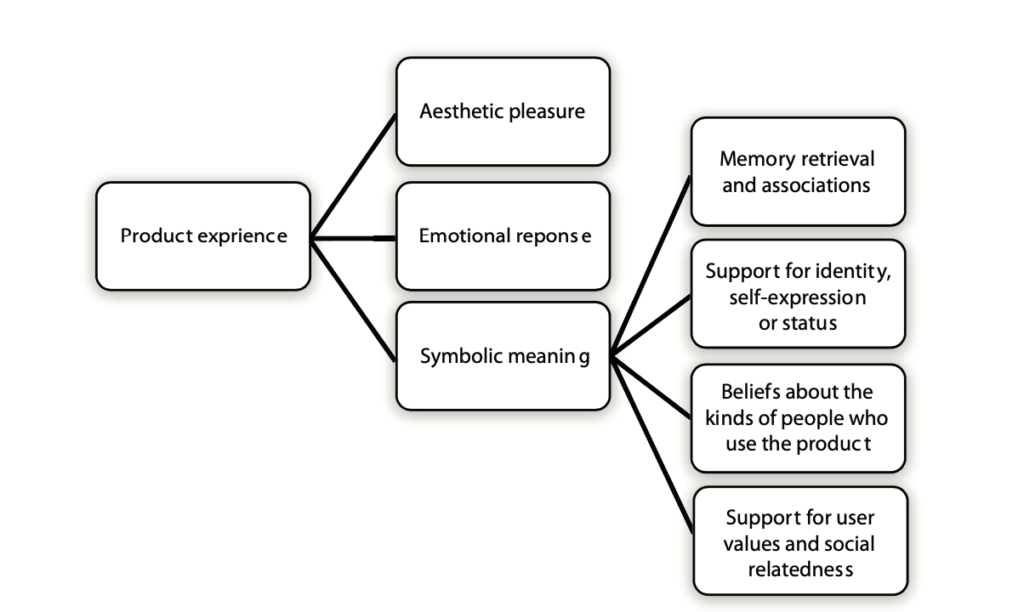
1) aesthetic pleasure 2) attribution of meaning happens through cognitive processes such as interpretation, memory retrieval and associations 3) emotional response
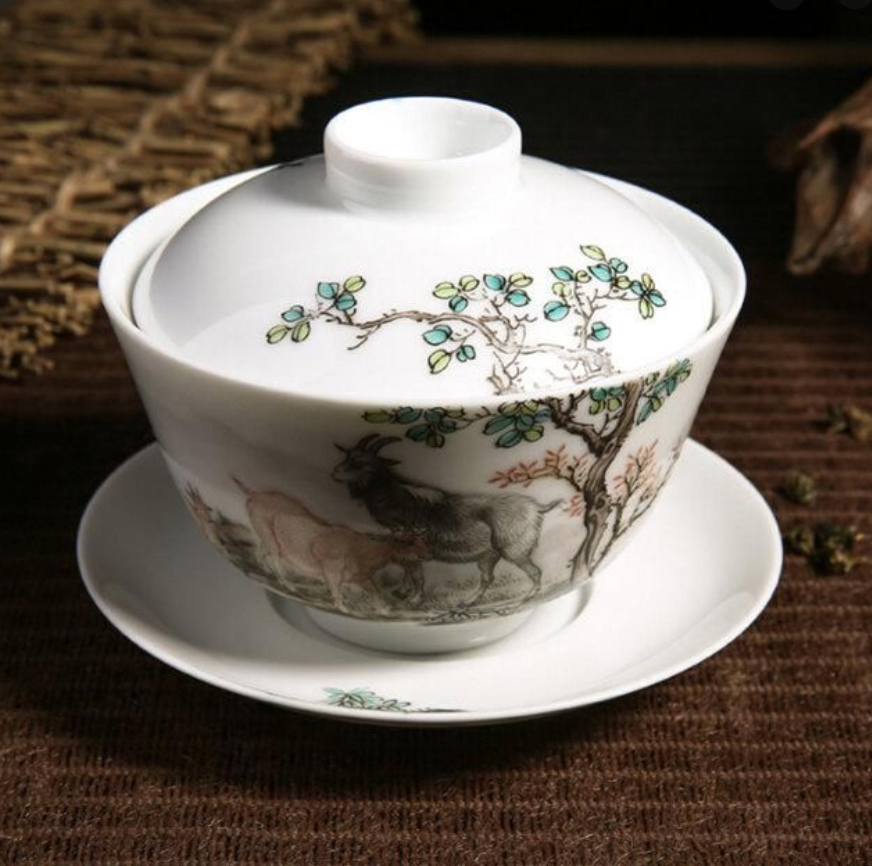
Desmet and Heckert state that meaning is related to the personal or symbolic significance of products or the possibility of assigning them personality or other expressive. As an example they mention a Chinese teacup that one of the authors is attached to because it represents his visit to China.
Hassenzahl on the other hand does not explicitly mention symbolic meaning as a component of user experience, but he describes aspects that are closely related. He categorizes the hedonic aspect of user experience as including [9]: 1) stimulation—personal growth, an increase or knowledge and skills 2) identification—self-expression, interaction with relevant others 3) evocation—self-maintenance, memories
Especially identification as well as other hedonic aspects can be seen as part of symbolic meanings.
Symbolic Meaning and Appearance
Symbolic meaning can also be related to a product’s form, appearance and use—that is especially the case in literature linked to Industrial Design. Product semantics there get related to a concern for the cognitive meanings, symbolic functions and cultural histories of form. [10]
Van Rompay gives an overview of studies regarding the relationships between a product’s formal features and symbolic meaning. In his example the rounded form of an object is generally perceived as being secure or emotional. Van Rompay’s conclusion is that meaning is not a fixed property of the world or mind, but results from interactions between individual and environment. One of his studies shows that forms connote different symbolic meanings across cultures. [11]
Symbolic Meaning / Product Meaning and Product Attachment
Product attachment gets best represented by products that have some profound and sustained meaning for users [12]. Already in 1923, Ogden and Richards defined product meaning as the relationship between mind, object and world. Product meaning is generally seen as subjective, suffused with affectivity and usually either utilitarian or symbolic. It has also been stated that a group of individuals have a tendency to make similar inferences about a product, suggesting that symbolic meaning is culturally shared. Symbols are formed by cultural principles, which can be: — norms — values — social categories
Sari Kujala states as example the American flag—the flag may symbolizes freedom or conservative American. [13]
In psychological and sociological literature it gets stated that individuals pay attention to object symbolism mainly because they want to express, maintain or enhance their self-concept—their identity and ideal image of themself. Sociological literature also gives examples of how symbolic meaning has been used to compensate for low self-esteem. [14] Zimmerman adds to sychological and sociological literature that people use products as self-extension—those product then act as an essential part of identity construction for a development of a coherent life story. [15] Mugge adds that people tend to develop a stronger attachment to products where they use them to express and maintain a unique personal identity. [16] In addition to identity, Allen shows by his survey studies that to some extent users form product preferences by evaluating whether their values are represented in product meanings. [17]
Symbolic Meaning and Postmodernity
In ethnosociology a new concept of thinking characterizing postmodernity constituted. Cova states that to satisfy their desire for community, modern individuals seek products and services less for their use value than for their linking value. Linking value results when a product facilitates and supports communion by providing a site, an emblem, the support for integration or recognition, and so forth. Cova states that “the postmodern individual can build an identity for themself with cultural symbols and all possible references (such as plays, exhibitions, films, and books, etc.). Linking value refers to product properties that cause users to experience a feeling of communion.[18] The same idea is presented in the consumer research literature. For example, Belk argues that identity is important not only on an individual level, but also on a collective level involving family group, subcultural and national identities. [19]
“[…] the literature of industrial design suggests that symbolic meaning can arise through memory retrieval and associations (Desmet & Hekkert, 2007) and seems to be one of the determinants of product attachment (Mugge et al., 2008; Schifferstein & Zwartkruis-Pelgrim, 2008). Consumer behavior research shows that symbolic meaning is important to users mainly because they want to maintain, enhance and express their identity and ideal image of themselves. It has been shown that symbolic meaning arises when products support user values (Allen, 2006). The sociological literature suggests that the goal can also be a feeling of communion (Cova, 1997).” —Kujala, S. / Nurkka, P.
Considering all the different definitions and fields of research there are various views of the concept of symbolic meaning. Symbolic meaning—one of the most important attributes of product attachment, especially happiness related symbolic meaning—is something intangible and subjective, but also culturally shared.
Summary of the identified factors of symbolic meaning and the relationship of symbolic meaning to product experience as presented by Desmet and Hekkert (2007). The identified factors overlap, but they describe the nature of phenomenon. [20]
Sources
[1] Crilly, N., Good, D., Matravers, D., & Clarkson, P. J. (2008). Design as communication: Exploring the validity and utility of relating intention to interpretation. Design Studies, 29(5), 425-457.
[2] Cupchik, G. C., & Hilscher, M. C. (2008). Holistic perspectives on the design of experience. In H. N. J. Schifferstein & P. Hekkert (Eds.), Product experience (pp. 241-256). Amsterdam, the Netherland: Elsevier.
[3] Desmet, P., & Hekkert, P. (2007). Framework for product experience. International Journal of Design, 1(1), 57-66.
[4] Allen, M. W. (2002). Human values and product symbolism: Do consumers form product preference by comparing the human values symbolized by a product to the human values that they endorse? Journal of Applied Social Psychology, 32(12), 2475-2501
[5] Cova, B. (1997). Community and consumption, towards a definition of the “linking value” of product or services. European Journal of Marketing,31(3/4), 297-316.
[6] Kujala, S. / Nurkka, P. (2012). Sentence Completion for Evaluating Symbolic Meanin. URL: https://www.researchgate.net/publication/286834130_Sentence_Completion_for_Evaluating_Symbolic_Meaning
[7] ebda.
[8] Desmet, P., & Hekkert, P. (2007). Framework for product experience. International Journal of Design, 1(1), 57-66.
[9] Hassenzahl, M. (2003). The thing and I: Understanding therelationship between user and product. In M. Blythe, C. Overbeeke, A. F. Monk, & P. C. Wright (Eds.), Funology: From usability to enjoyment (pp. 31-42). Norwell, MA: Kluwer Academic.
[10] Kujala, S. / Nurkka, P. (2012). Sentence Completion for Evaluating Symbolic Meanin. URL: https://www.researchgate.net/publication/286834130_Sentence_Completion_for_Evaluating_Symbolic_Meaning
[11] van Rompay, T. J. L. (2008). Product expression: Bridging the gap between the symbolic and the concrete. In H. N. J. Schifferstein & P. Hekkert (Eds.), Product experience (pp. 333-351). Amsterdam, the Netherland: Elsevier.
[12] Mugge, R., Schoormans, J. P. L., & Schifferstein, H. N. J. (2008). Product attachment: Design strategies to stimulate the emotional bonding to products. In H. N. J. Schifferstein & P. Hekkert (Eds.), Product experience (pp. 425-440). Amsterdam, the Netherland: Elsevier.
[13] Kujala, S. / Nurkka, P. (2012). Sentence Completion for Evaluating Symbolic Meanin. URL: https://www.researchgate.net/publication/286834130_Sentence_Completion_for_Evaluating_Symbolic_Meaning
[14] Allen, M. W. (2002). Human values and product symbolism: Do consumers form product preference by comparing the human values symbolized by a product to the human values that they endorse? Journal of Applied Social Psychology, 32(12), 2475-2501.
[15] Zimmerman, J. (2009). Designing for the self: Making products that help people become the person they desire to be. In Proceedings of the 27th International Conference on Human Factors in Computing Systems (pp. 395-404). New York, NY: ACM.
[16] Mugge, R., Schoormans, J. P. L., & Schifferstein, H. N. J. (2008). Product attachment: Design strategies to stimulate the emotional bonding to products. In H. N. J. Schifferstein & P. Hekkert (Eds.), Product experience (pp. 425-440). Amsterdam, the Netherland: Elsevier.
[17] Allen, M. W. (2002). Human values and product symbolism: Do consumers form product preference by comparing the human values symbolized by a product to the human values that they endorse? Journal of Applied Social Psychology, 32(12), 2475-2501
[18] Cova, B. (1997). Community and consumption, towards a definition of the “linking value” of product or services. European Journal of Marketing,31(3/4), 297-316.
[19] Belk, R. W. (1988). Possessions and the extended self. Journal of Consumer Research, 15(2), 139-168.
[20] Kujala, S. / Nurkka, P. (2012). Sentence Completion for Evaluating Symbolic Meanin. URL: https://www.researchgate.net/publication/286834130_Sentence_Completion_for_Evaluating_Symbolic_Meaning
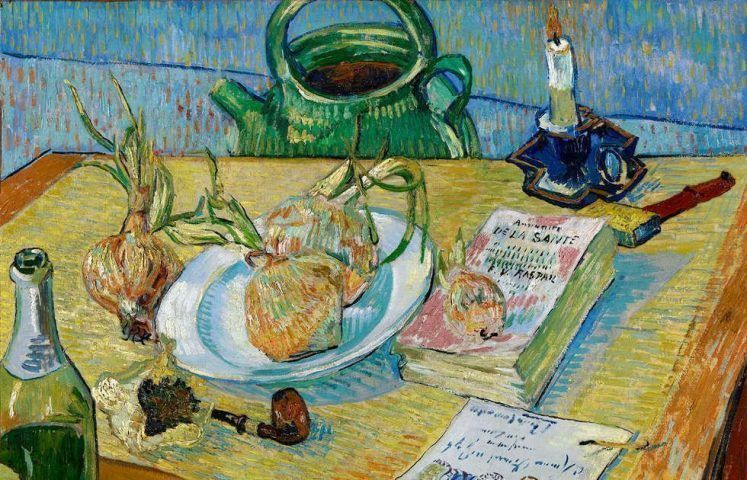
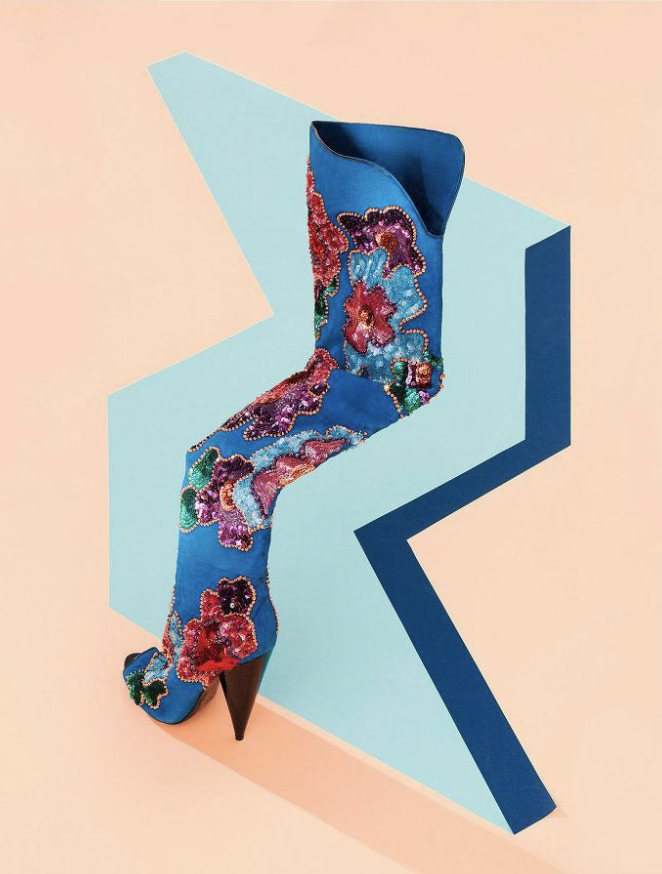
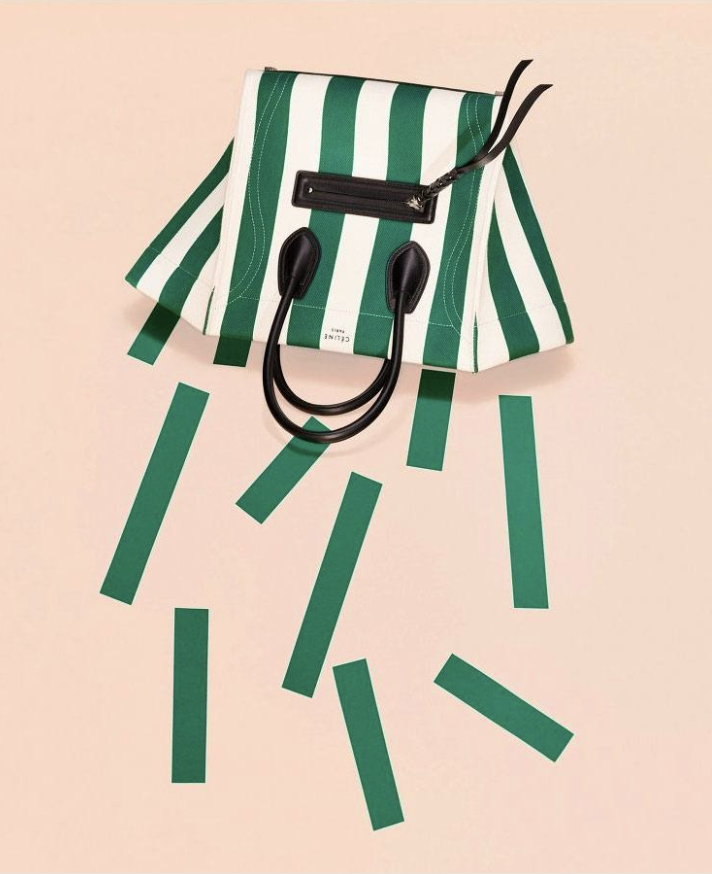
It is already clear that still life photography comes from painting. Nevertheless, the development of painting in the 20th century was also an important inspiration for modern photography.
The 20th century was a century of revolution and emerging abstraction in terms of art. The new trends developed very quickly and overlapped. Above all, the tendency towards non-figurative and abstract motifs was new. The still life found its place here especially in the first half of the century, as in the second half the popular abstraction made the recognizable motifs disappear completely. So it can also be seen in photography how one goes from the classical representation more and more towards more abstract and experimental directions. So it is still exciting to see what very modern forms of painting look like, to see how, after this revolutionary development in the 20th century, the artists are redefining the topic.
About 20th Century
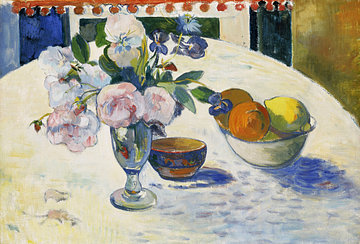
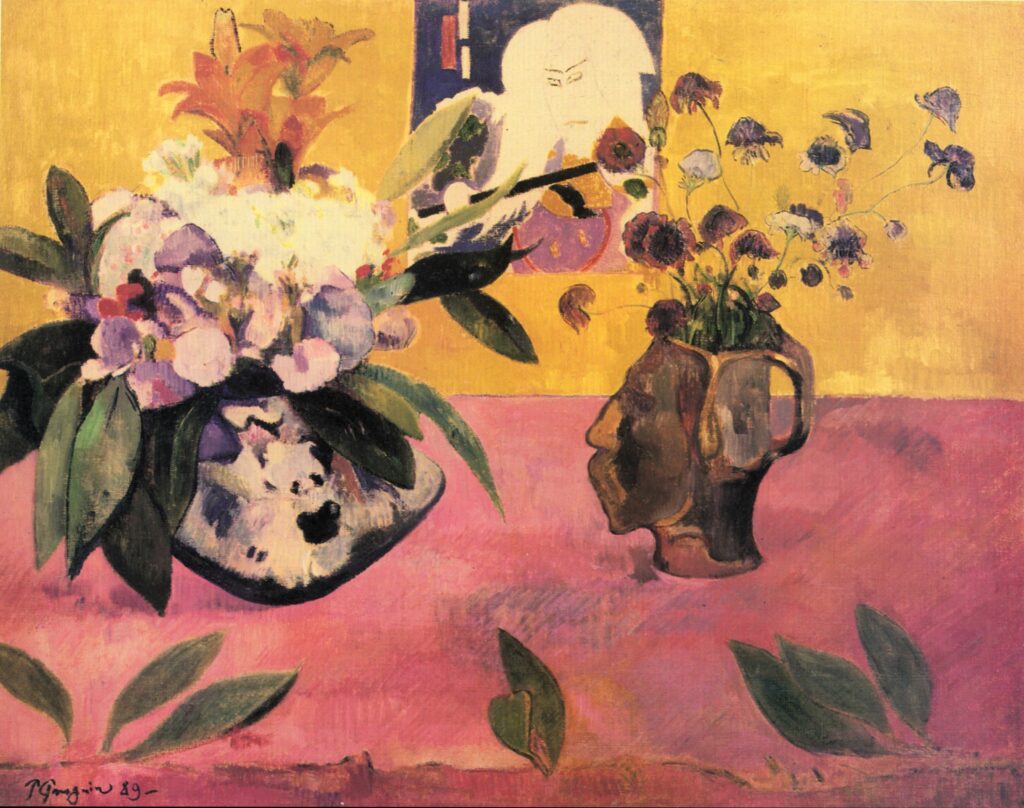
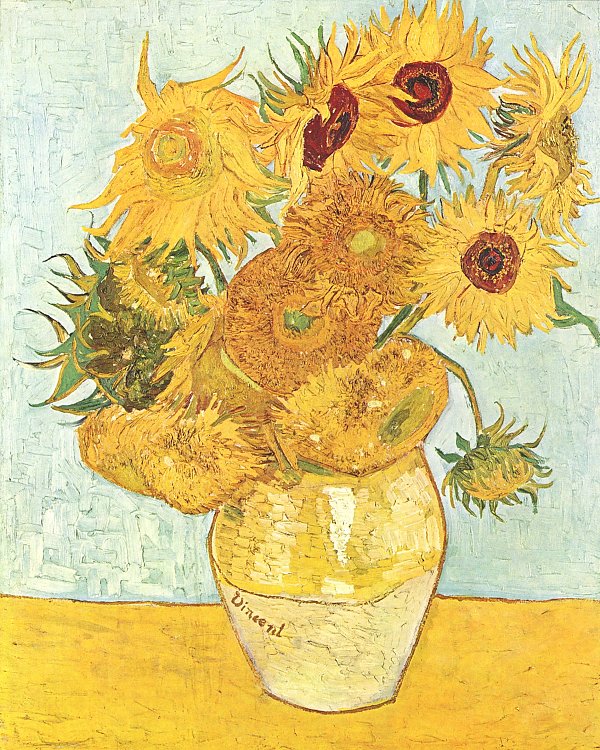
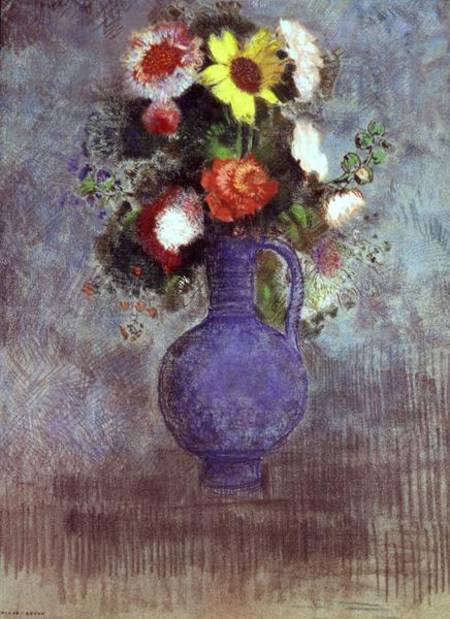
As examples of the well-known artists of this era, Paul Gauguin painted the sunflower still life to honor his deceased friend Van Gogh. Because one of Van Gogh’s most famous pictures is the flower still life with a bouquet of sunflowers. The group, Les Nabis, to which Gauguin belonged, took up his harmonic theories and adapted subjects that were inspired by the Japanese woodcut. Further examples of this period would be the flower still lifes by the French painter Odilon Redon.
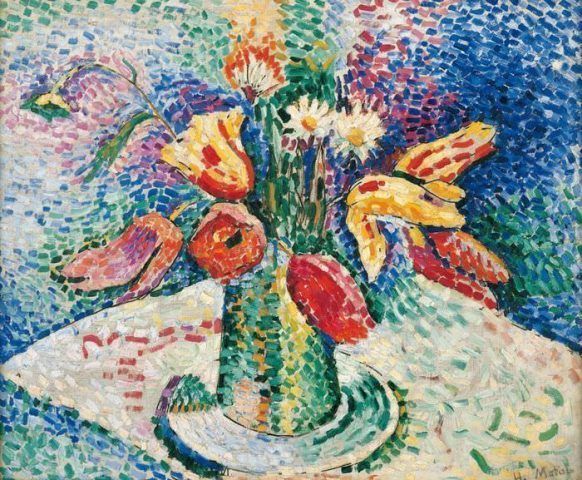
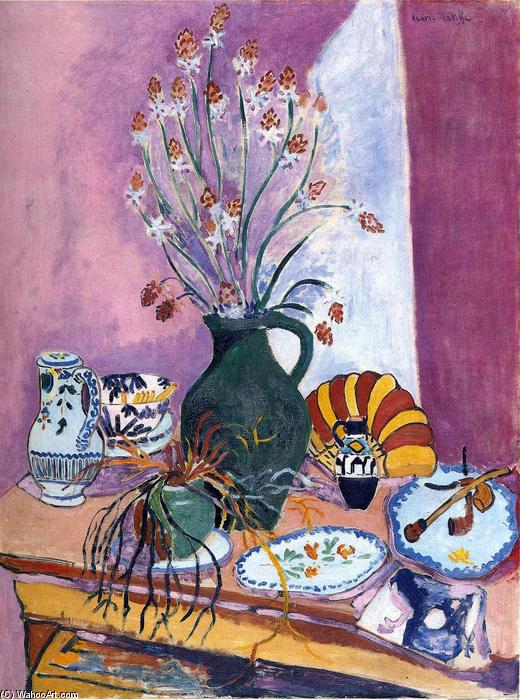
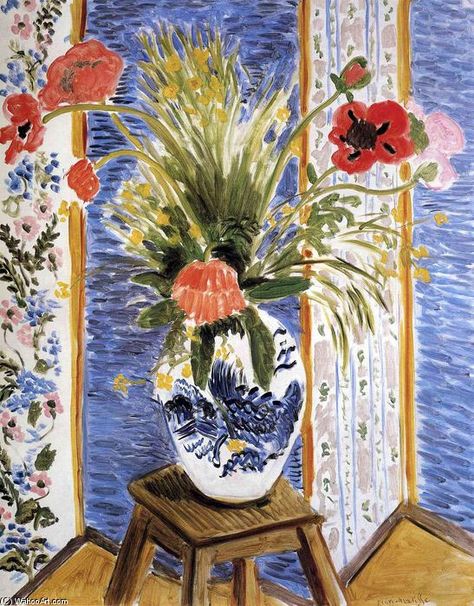
Another representative who would be exemplary for still life painting is Henri Matisse. His scheme consisted of more or less flat contours and bright, radiant colors. He also reduced the perspective representation and used multicolored backgrounds. The useful objects, such as tables, which only have the purpose of the display area and, in Matisse’s case, already merge with the space and disappear. Other founders of Fauvism, such as Maurice de Vlaminck and Andre Derain, also experimented with pure color and abstraction in their still lifes.
To sum it up the still life theme is about the things, that belong to us and therefore define who we are. The contemporary still life artwork often reflect the real or suggestive surroundings they have or create through their projects.
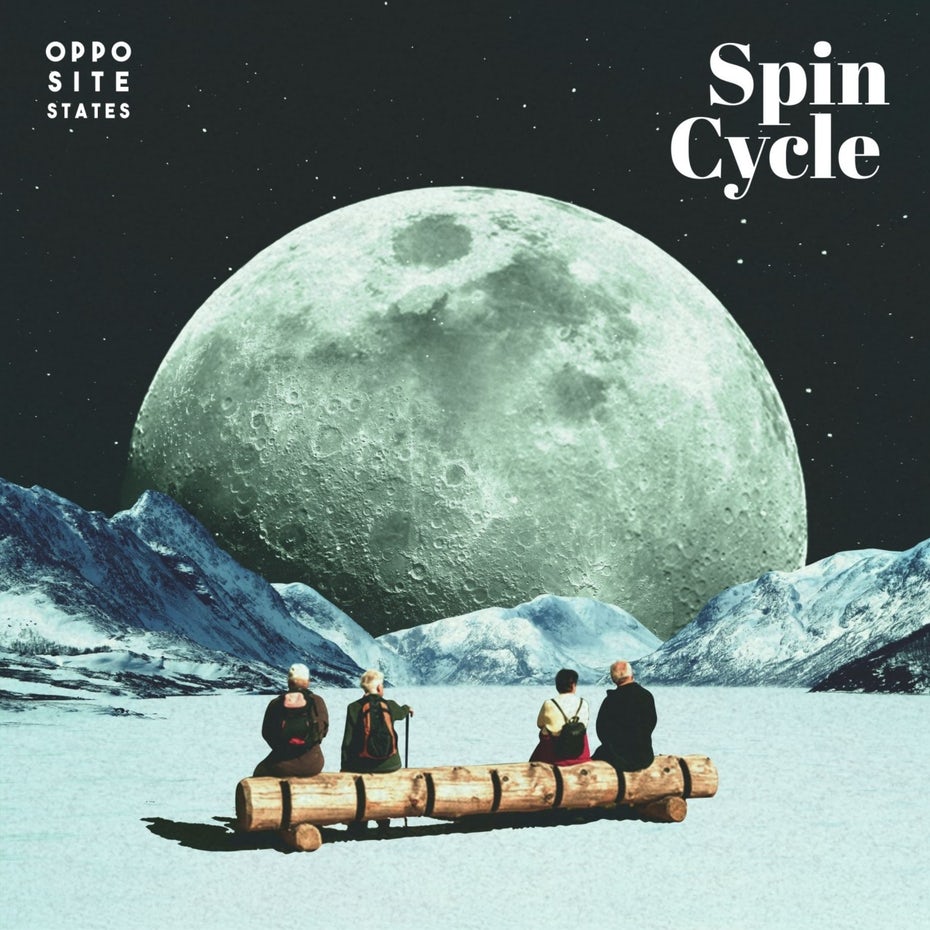
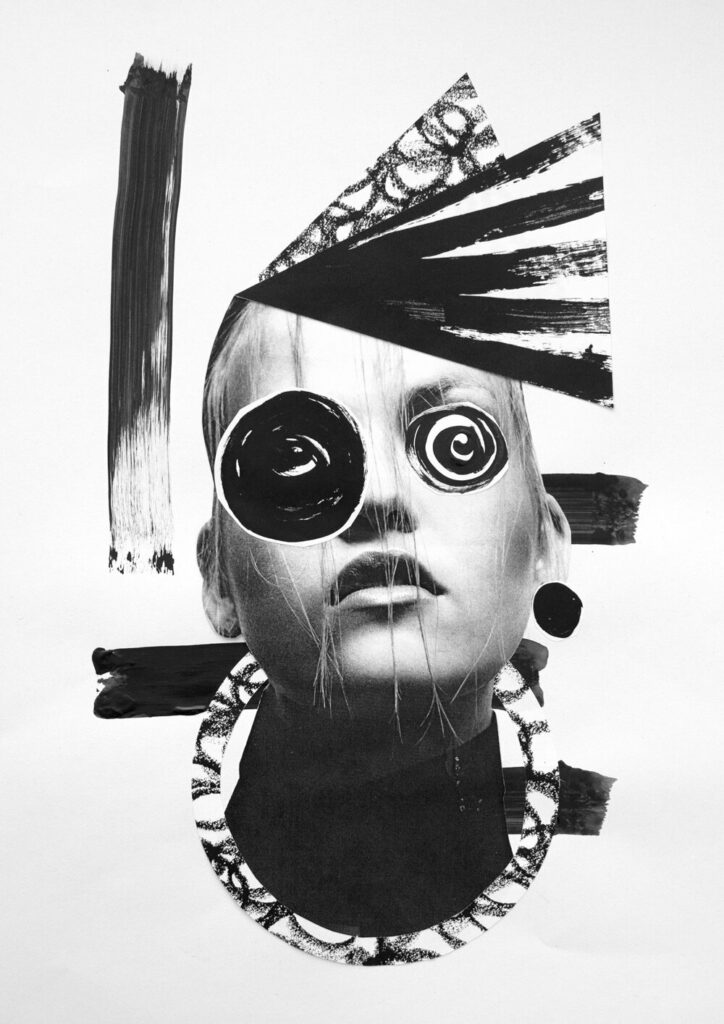
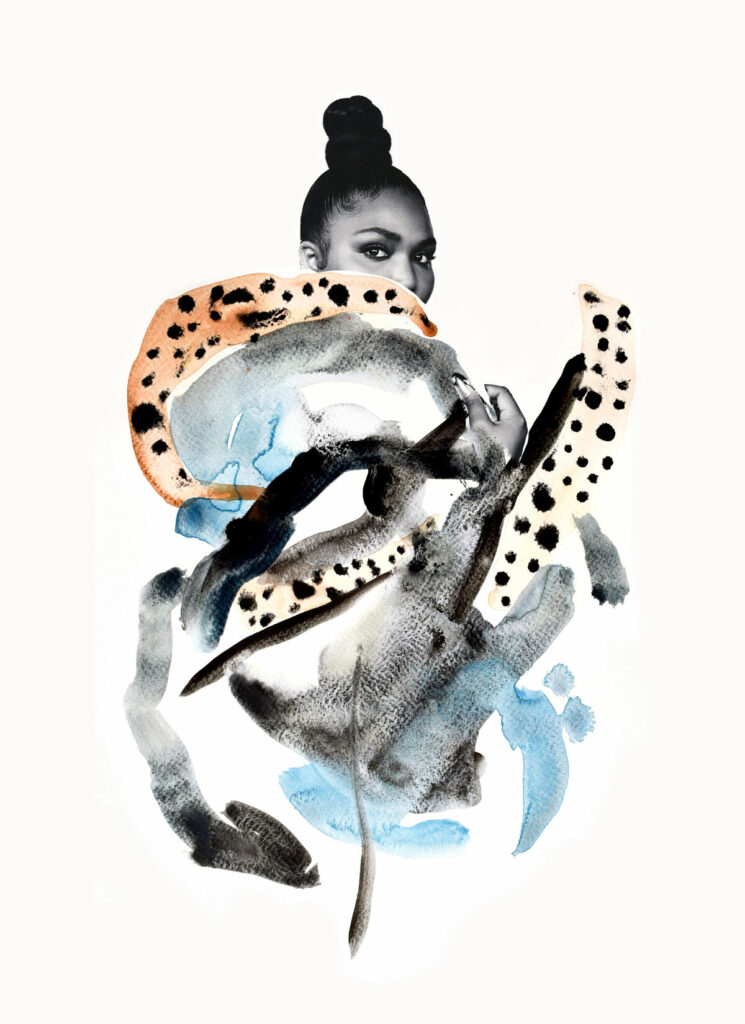
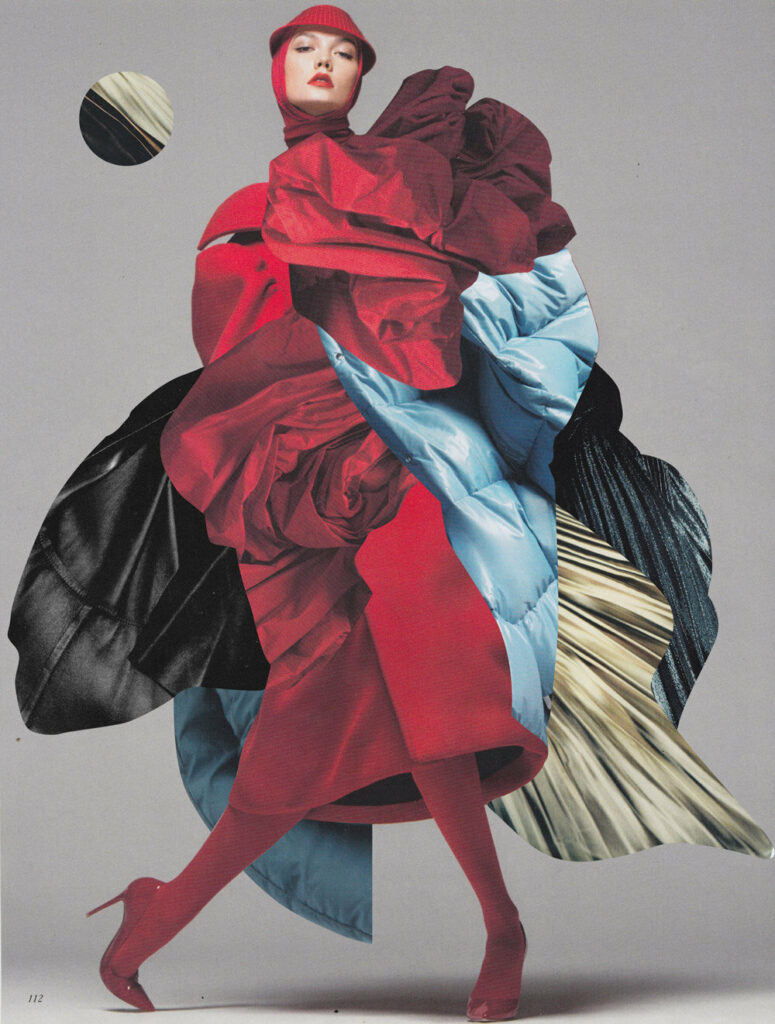
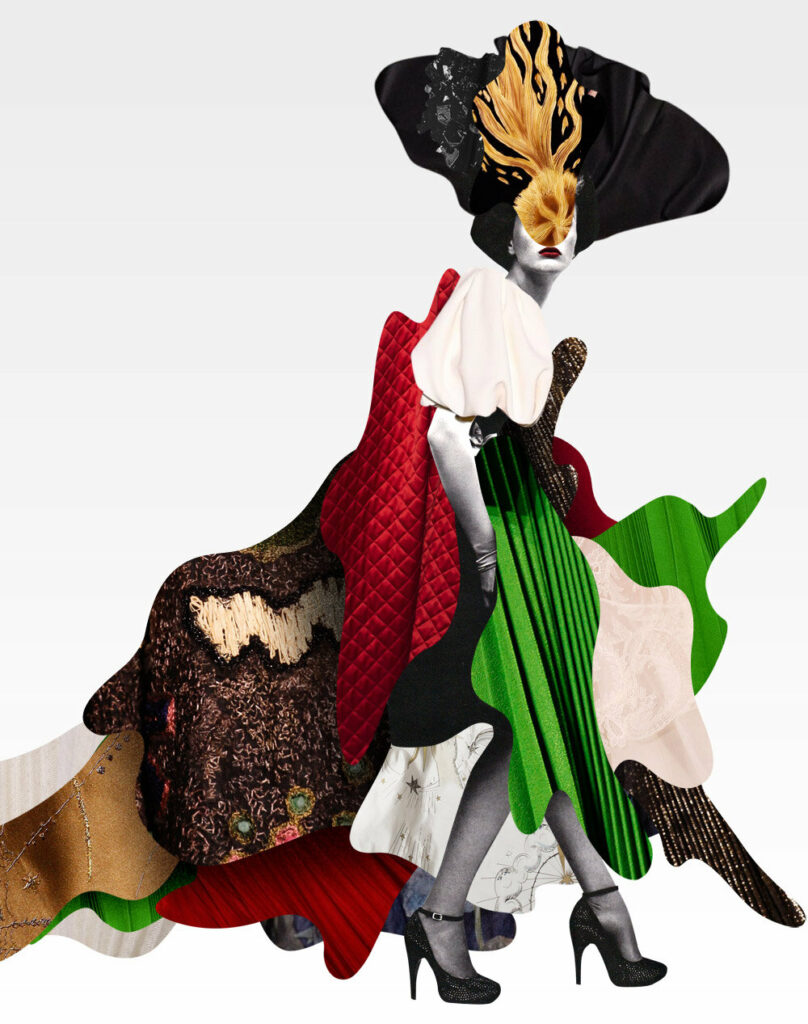
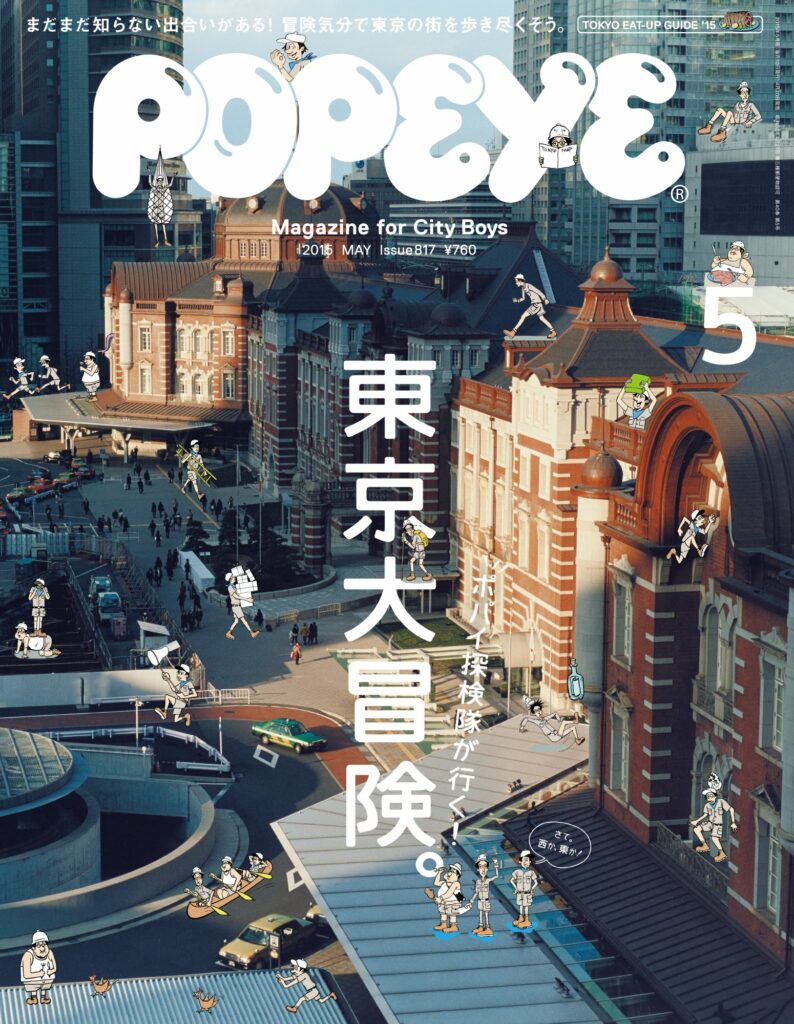
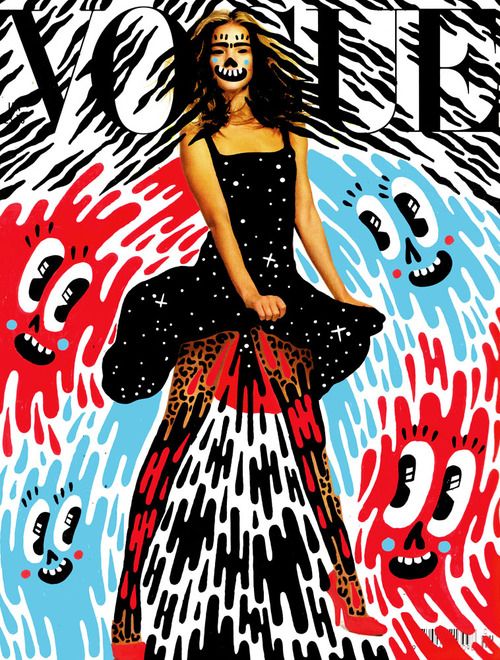
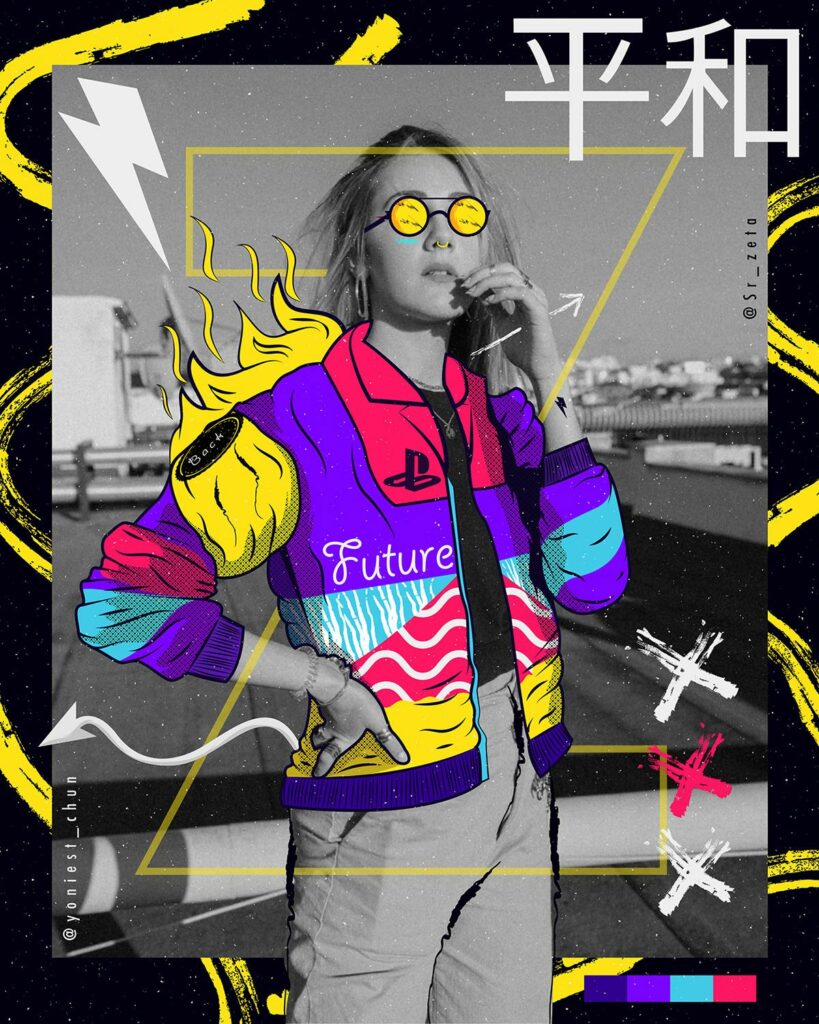
Die Technik der Kombination von Fotografie und Illustration ermöglicht es, völlig neue Universen zu erschaffen. So entstehen Collagen von Grafiken und Bildern, wo Fotos, Illustrationen und anderen grafische Elemente gemischt und angepasst werden.
Durch die Verbindung von zwei verschiedenen Dingen, die nicht zueinander passen, kann etwas völlig Neues, extrem Spannendes entstehen. Sigmund Freud hat in seiner berühmten Analyse »Der Witz und seine Beziehung zum Unbewußten« beschrieben, dass Witz häufig aus einer Kombination von zwei Gegenteilen entsteht. Das gilt auch für Mixed Media – wie die Verbindung von Illustration und Fotografie, aus Fiktivem und Realen. Auf dem Effekt dieser irgendwie befremdlichen, aber dann doch wieder erstaunlich passenden Kombination beruhen viele aktuelle Kreationen.
Work by Qui Yang
Genau diese Gegensätze und die Assoziation mit Fiktivem bzw. Realem haben dazu beigetragen, dass Mitte der 2000er darüber diskutiert wurde, ob Illustration eine überholte Kunstform sei, da Fotografie effektiver und kontrollierbarer ist.
“In a culture that values commerce above all other things, the imaginative potential of illustration has become irrelevant… Illustration is now too idiosyncratic.“
– Milton Glaser (amerikanischer Grafikdesigner, Illustrator, Typograf und Lehrer)
Schon in den neunziger Jahren wurde der “individuelle Stil” der Illustration zur Belastung. Die visuelle Kommunikation wurde Grafikdesignern auf die präzise Zustellung von Werbebotschaften ausgerichtet. Und dabei hat sich herausgestellt, dass ausdrucksstarkes Grafikdesign einen Teil der konzeptuellen und ästhetischen Wirkung der Illustration erzielen kann.
Der Mangel an verbaler Aussagekraft der Illustration wurde als Kritikpunkt herangezogen. Beim Grafikdesign ging es fast ausschließlich um präzise Kommunikation und die Möglichkeit, Wörter und Bilder zu kombinieren, macht es zu einer weitaus stärkeren Methode als Illustration.
Im Grafikdesign der 2000er Jahre wurde überwiegend Typografie eingesetzt. Werbung und Marketing bestand aus expliziter Sprache in Kombination mit expliziten Bildern – ohne Mehrdeutigkeit und irgendwelche Nuancen.
„Wir scheinen einen Punkt in der westlichen Kultur erreicht zu haben, an dem das Abstrakte nicht mehr haltbar ist. Wir fordern in allem explizite Aussagen.“
– Milton Glaser
Illustration hingegen war zu zweideutig und zu spielerisch in der Art und Weise wie Gefühle und Emotionen vermitteln wurden und daher zu gefährlich für klassisches Grafikdesign und Branding.
In den aktuellen Design Trends hat sich diese Einstellung aber extrem geändert. Auch thematisch werden heute sehr viele fiktive und nicht reale Sujets geschaffen.
Scott Palmer
unknown
unknown
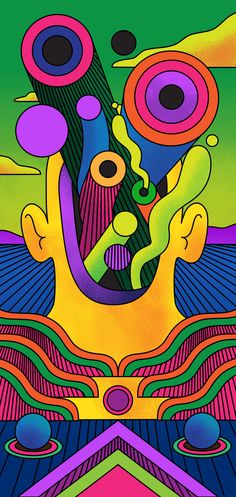
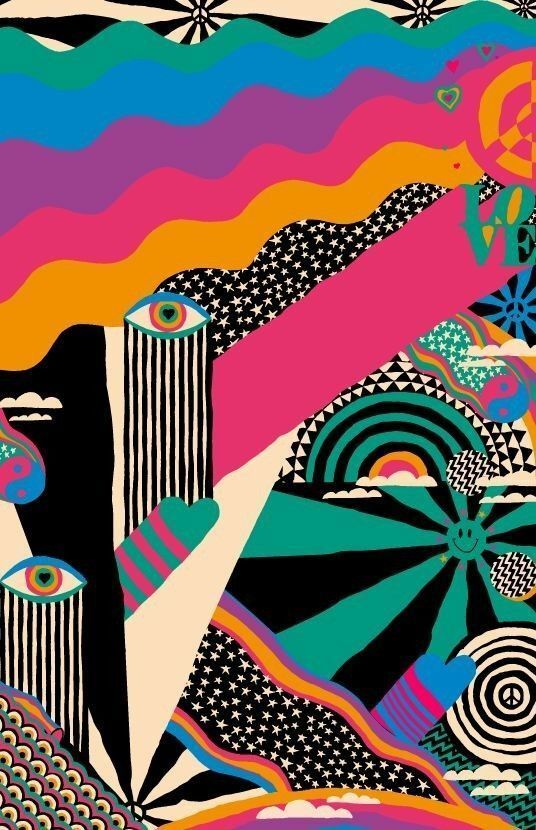
Trend: Abstract psychedelia
Ossobüko
Candy Wrappers
Trend: Seamless Surrealism
Ein handgezeichnetes Element kann einem Design, das auch fotografische Elemente beinhaltet, Laune und Interesse verleihen. Umgekehrt kann ein Foto ein unbeschwerteres illustriertes Design realer oder wichtiger erscheinen lassen.
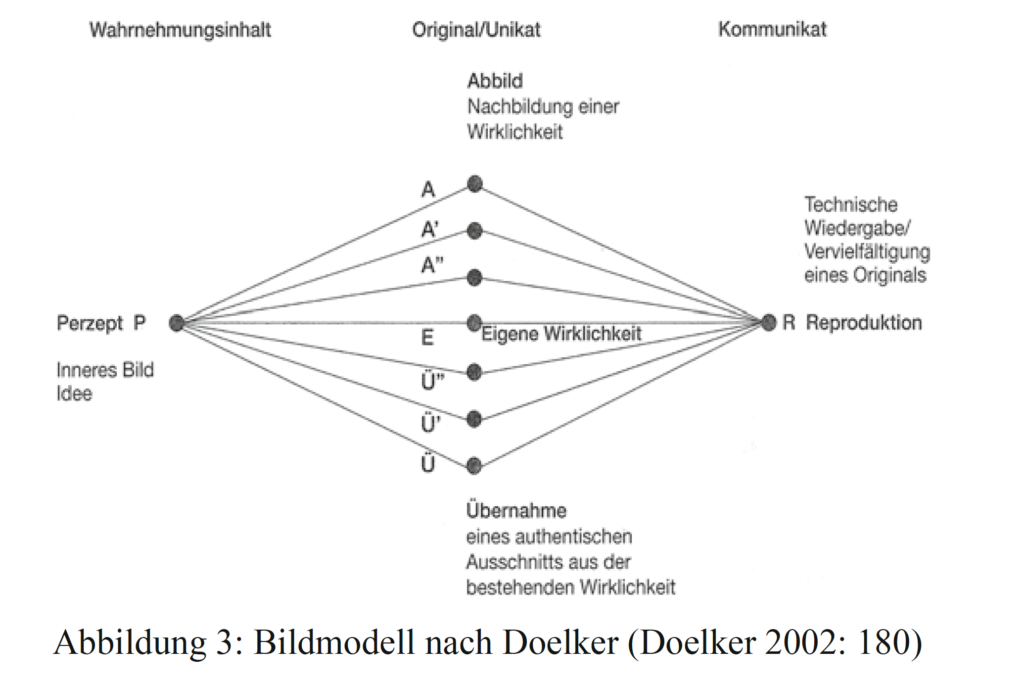
Doelkers Bildbegriff Das Verständnis der Bildlichkeit wird laut Mitchell durch zeitliche, kulturelle, soziale und individuelle Wahrnehmungen, aber auch durch unserer Vorerfahrungen geprägt. Den Bildbegriff in der visuellen Kommunikationsforschung präzisiert der Medienpädagoge Christian Doelker mit seinen Überlegungen. Auch bei seiner theoretischen Betrachtung ist die Übertragbarkeit in eine materielle Form ein wesentliches Definitionskriterium für den Bildbegriff. Doelker führt die Überlegungen Mitchells jedoch weiter aus und unterscheidet in seinem komplexen Bildmodell zwischen Wahrnehmungsinhalt, Original bzw. Unikat und Kommunikat.
Der Zusammenhang von Wahrnehmungsinhalt, Original/Unikat und Kommunikat: Doelkers Bildbegriff
Der Ausdruck „Kommunikat“ weist auf die kommunikative Funktion von Bildern in Doelkers Modell als ein technisch reproduzierbares und vervielfältigbares Bild hin. Das Perzept bezeichnet das innere Bild einer Person. Dieses Bild kann zum Beispiel der Ausblick aus einem Fenster, das Betrachten eines Objekts oder eine Idee eines geistigen Bildes sein. Diese Art von Bild existiert in der Vorstellung der einzelnen Person und ist nicht-materiell und somit auch nicht übertragbar. Um diesen Inhalt anderen Personen zugänglich zu machen muss diese Vorstellung in eine materielle Form umgewandelt werden. Laut Doelker gibt es drei Möglichkeiten den Perzept festzuhalten. Entweder als Abbild (Punkt A), als Übernahme (Punkt Ü) oder als Eigengestaltung (Punkt E). Diese Möglichkeiten sind im Bildmodell in der Ebene „Original/Unikat“ dargestellt. Das Abbild A kann direkt auf ein Trägermaterial übertragen werden. Für dieses Modell spielt es keine Rolle, wie diese Übertragung erfolgt, zum Beispiel durch Zeichnen, Malen, Gestalten, Fotografieren oder Filmen. Als Übernahme Ü werden zum Beispiel Ausschnitte aus der Natur manifestiert, die nicht abgebildet, sondern fixiert werden. Diese Art der Manifestierung von Wahrnehmungsinhalten ist für die Kommunikations- und Medienwissenschaften im Wesentlichen vernachlässigbar. Die letzte Möglichkeit, einen Perzept festzuhalten, ist die Eigengestaltung E. Wenn ein inneres Bild, auch ohne Bezug zur Wirklichkeit, manifestiert wird, tritt die Eigengestaltung auf. Zwischen den drei Möglichkeiten der Manifestierung gibt es viele Übergänge und Mischformen. Die Ebene „„Original/Unikat“ ist in der Ansicht Doelkers bereits bildhaft, das heißt, sobald ein Wahrnehmungsinhalt in ein manifeste Form überführt wurde, kann der Begriff Bild verwendet werden. Um im engeren Sinn den Bildbegriff verwenden zu können sind zwei Kriterien für die Kommunikations- und Medienwissenschaft von Interesse: Die Übertragbarkeit von Bildern und seine Kommunizierbarkeit. Das Kommunikat ist eine Reproduktion, also die technische Wiedergabe und Vervielfältigung des Originals mit der Möglichkeit, das Bild an ein breiteres Publikum zu kommunizieren.
Zusammenfassend besagt Doelkers Bildmodell, dass ein Bild entweder als Original oder Kommunikat auftreten kann. Perzepte dagegen werden nicht als Bilder definiert, da sie nicht materiell vorliegen. Diese werden erst zum Bild wenn sie einen materiell übertragbaren Charakter annehmen. Da Doelker wichtige immaterielle Bildphänomene nicht als Bilder betrachtet ist diese Form des Bildbegriffes als Grundlage für eine allgemeine Bildwissenschaft nicht einsetzbar. Für die Kommunikations- und Medienwissenschaft gibt er aber äußerst wichtige Impulse, indem er den Fokus bei der Definition von Bildern auf deren Übertragbarkeit legt. (Lobinger)
Quelle: Lobinger Katharina Lobinger: Was ist ein Bild? Was ist ein Medienbild? In: A. Hepp, F. Krotz, W. Vogelgesang (Hrsg.): Visuelle Kommunikationsforschung. Medienbilder als Herausforderung für die Kommunikations- und Medienwissenschaft. Wiesbaden: Springer VS 2012, S. 51-70
After researching the different aspects of emotion in design and branding, I take the next step and decide to create my own fictional case. For that, I took some time and started to look for a brand or organization that could take the role of the client for my campaign. Because of my interest in politics and social issues, I decided to inform myself about digital labour and new ways of work. Through the United Nations website, I found out about the International Labour Organisation (ILO), which understands itself as an intersection between governments, employers and workers. It consists out of 187 member states and promotes new standards for labour and respectable working conditions.
The ILO uses its platform to raise awareness for a diverse field of different problems, like digital labor platforms and how workers are treated. Digital apps like Uber or Liferando seem to have failed when it comes to worker’s rights and protection. The delivery drivers are treated as independent contractors, with no social benefits like pension coverage, health, or insurance plans. Due to the pandemic, the problems of those delivery drivers became even worse. Especially the situation in emerging countries continues to be tough and no safety measures to prevent a covid infection are taken. I think it is important to raise awareness of this topic and to support the IOL in their strive for better working conditions.